Unveiling the Secrets: Top AWS Cost Optimization Strategies in Detail
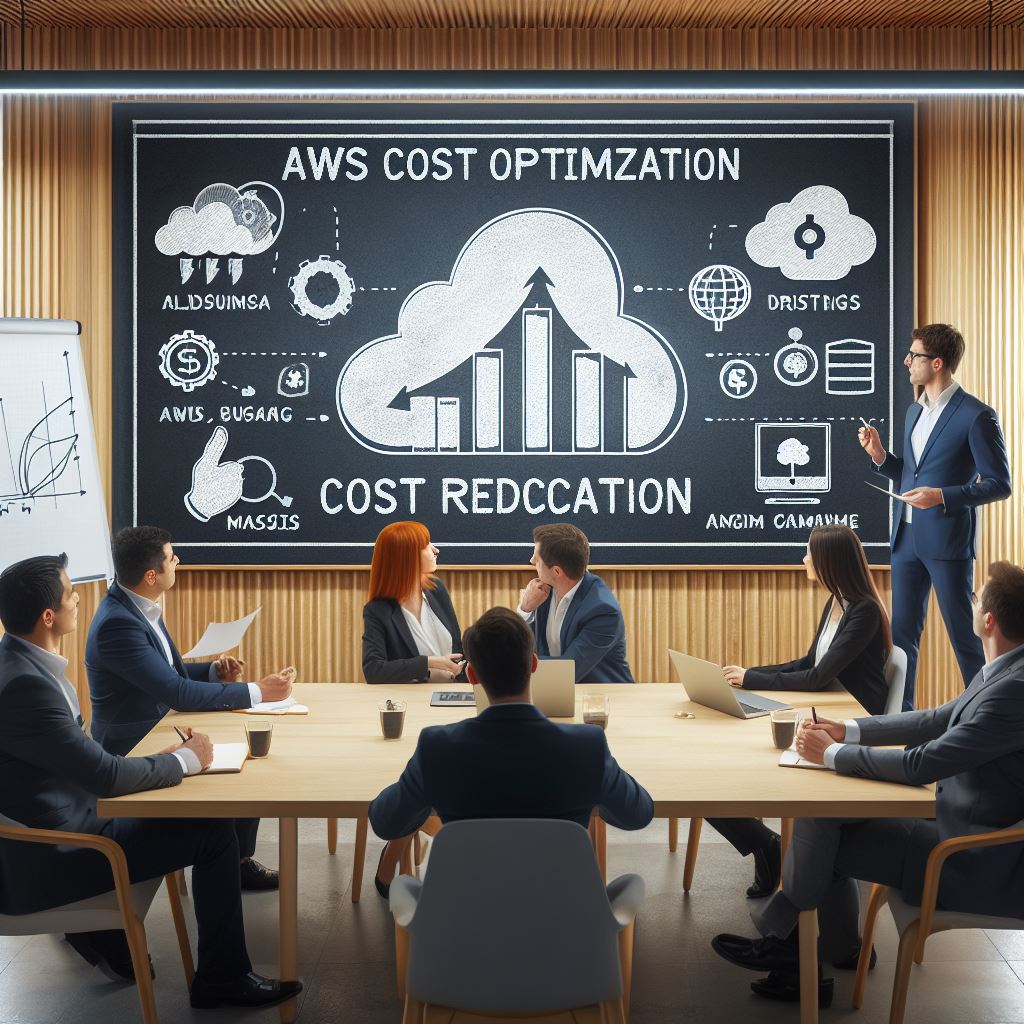
In today’s cloud-powered world, AWS reigns supreme. But even with its undeniable benefits, managing AWS costs effectively is crucial. Uncontrolled spending can quickly eat away at your budget. Fear not, cost-conscious cloud warriors! This comprehensive guide dives deep into the most effective AWS cost optimization strategies, empowering you to maximize your ROI and streamline your cloud spending.
Understanding Your Bill: The First Step to Savings
Before optimizing, you need a clear picture of your current spending. Here’s where AWS Cost Explorer comes in. This free service provides granular insights into your AWS resource utilization and costs. Analyze your Cost Explorer reports to identify areas with high expenditure and pinpoint potential savings opportunities.
Rightsizing Your EC2 Instances: A Precise Fit Matters
EC2 instances are the workhorses of AWS compute power. Choosing the right instance type and size for your workload is paramount. Here’s how to optimize:
- Identify Underutilized Instances: Scrutinize your EC2 instances and terminate any consistently underutilized ones. Consider scaling down to a smaller instance type if possible.
- Utilize Reserved Instances (RIs): If you have predictable workloads, RIs offer significant discounts compared to on-demand pricing. Purchase RIs for a fixed usage term and enjoy substantial cost savings.
- Explore Spot Instances: For fault-tolerant workloads, leverage Spot Instances. These instances are offered at significantly lower prices but can be interrupted when capacity demand fluctuates.
- Consider Burstable Instances: Burstable instances are a cost-effective option for workloads with occasional spikes in CPU usage. They provide a baseline performance with the ability to burst for additional CPU power at a per-second rate.
Storage Optimization: Streamlining Your Data Footprint
Storage costs can accumulate quickly. Here are strategies to keep them in check:
- Storage Tiering with S3 Storage Classes: Not all data requires the same level of performance. Leverage Amazon S3’s various storage classes like S3 Standard, S3 Glacier, and S3 Intelligent-Tiering. Store frequently accessed data in Standard, less frequently accessed data in Glacier, and let Intelligent-Tiering automatically manage data movement between tiers for optimal cost-effectiveness.
- Lifecycle Management Rules: Implement lifecycle management rules for S3 buckets to automatically transition objects to more cost-effective storage classes based on predefined criteria, like object age or access frequency.
Embrace Managed Services: Less Work, More Savings
Many AWS services offer managed options that can potentially reduce costs. Consider these scenarios:
- Amazon RDS vs. Self-Managed Databases: Managing databases can be resource-intensive. Opting for Amazon RDS, a managed database service, eliminates the need for database administration, potentially saving on personnel costs.
- Amazon DynamoDB vs. Self-Managed NoSQL Databases: Similar to RDS, Amazon DynamoDB is a managed NoSQL database that scales automatically, potentially reducing the infrastructure overhead associated with self-managed NoSQL solutions.
Auto-Scaling: Pay Only for What You Use
Auto-scaling allows you to dynamically adjust your resource allocation based on demand. This ensures you’re not paying for unused resources during periods of low activity. Leverage auto-scaling for services like EC2 instances and DynamoDB tables to optimize costs.
Don’t Forget Free Tier and Savings Plans
AWS offers a generous Free Tier that allows you to experiment with various services without incurring charges. Take advantage of this to explore different services and find the best fit for your needs. Additionally, AWS Savings Plans offer significant discounts for predictable workloads compared to on-demand pricing. Explore Savings Plans and choose the plan that aligns with your usage patterns for potential cost reductions.
Continual Monitoring and Review: The Key to Sustainable Savings
Cost optimization is an ongoing process. Regularly monitor your AWS costs and resource utilization. Utilize AWS Cost Explorer and CloudWatch to identify areas for further optimization. Don’t be afraid to experiment and adjust your strategies as your needs evolve.
Frequently Asked Questions (FAQs) About AWS Cost Optimization
- Q: What are the biggest cost drivers on AWS?
- A: EC2 instances, storage (S3, EBS), and data transfer are often the top cost drivers on AWS.
- Q: How can I identify unused resources?
- A: Utilize AWS Cost Explorer and identify resources with consistently low utilization.
- Q: When should I use Reserved Instances?
- A: Consider RIs if you have predictable workloads and can commit to a usage term.